A car accident can be stressful, especially when you need to manage vehicle damage, insurance paperwork, and repair arrangements at the same time. Knowing what to do immediately after a collision can make the claims process more organized. For drivers researching Car Insurance claims in Mississauga, understanding the basic steps can help you communicate effectively with your insurer and arrange appropriate vehicle repairs. EH Collision can assist vehicle owners with collision-related repair needs after an accident.
1. Stay Safe and Check the Accident Scene
Immediately after an accident, safety should be your first priority. Check whether anyone requires emergency assistance and move to a safe location when it is possible and appropriate to do so. Avoid unnecessary arguments or discussions about fault at the scene. If there are injuries or serious safety concerns, contact the appropriate emergency services. Once everyone is safe, gather the essential information needed for the insurance process.
2. Collect Important Accident Information
Accurate information can make your insurance claim easier to document. Exchange relevant details with the other driver and record information about the vehicles and circumstances surrounding the collision. Useful information may include:
- Driver and vehicle information.
- Insurance details.
- Licence plate numbers.
- Contact information for witnesses.
- Photos and videos of vehicle damage.
- Images showing the surrounding accident scene.
Keeping organized records can be valuable when discussing the incident with your insurance provider.
3. Document Your Vehicle Damage
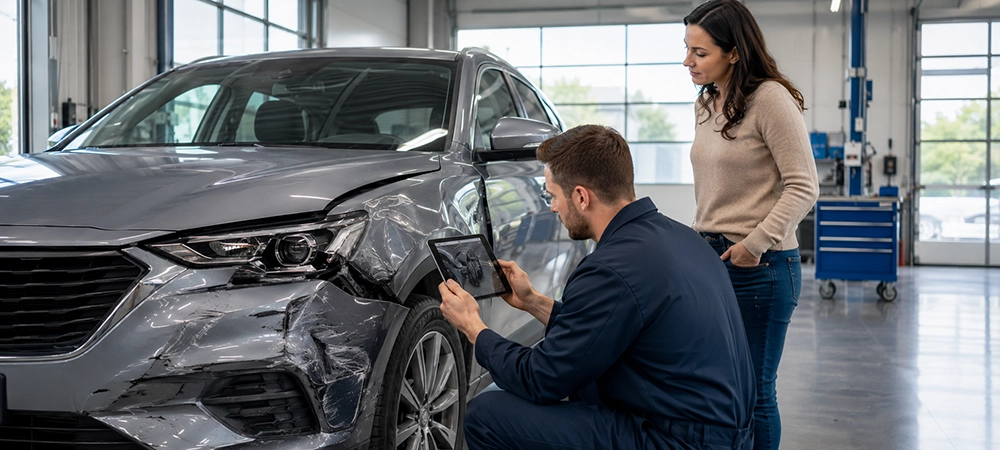
Before repairs begin, photograph the visible damage from different angles. Capture dents, scratches, broken components, damaged lights, glass, and other affected areas. If safe, photographs of the surrounding scene can also provide useful context. Detailed documentation can help support the information provided during Car Insurance claims in Mississauga and give repair professionals a clearer understanding of the vehicle’s condition.
4. Report the Accident to Your Insurance Provider
Contact your insurance company as soon as reasonably possible after the collision and provide accurate information about what happened. Your insurer can explain the applicable claims procedure, documentation requirements, and next steps. Avoid guessing about details you do not know. Instead, provide factual information and keep copies of claim-related documents, correspondence, and reference numbers.
5. Understand the Insurance Claim Process
After reporting an accident, the insurer may review the circumstances, assess the damage, and determine how the claim should proceed under the applicable policy. The process can involve questions about the collision, vehicle damage, coverage, deductibles, and repair arrangements. Understanding your policy beforehand can be helpful, particularly regarding collision coverage, deductibles, rental vehicle provisions, and other applicable benefits.
6. Arrange a Professional Collision Inspection
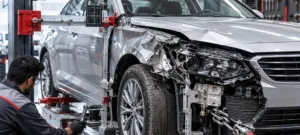
A vehicle may have damage that is not immediately visible after an accident. A professional inspection can help identify visible and underlying damage before repairs are completed. Depending on the collision, areas such as the bumper, body panels, frame-related components, lights, sensors, and other systems may require evaluation. EH Collision can provide collision repair assistance for vehicle owners who need professional attention following an accident.
7. Choose a Suitable Collision Repair Facility
Choosing the right repair facility is an important part of recovering from an accident. Look for a shop that understands collision damage and follows appropriate repair procedures. Consider factors such as repair experience, communication, workmanship, estimated timelines, and the ability to handle insurance-related documentation. A professional repair facility can help make the transition from insurance claim to completed repair more organized.
8. Keep All Claim and Repair Records
Maintaining paperwork throughout the process can help you stay organized. Keep your insurance claim number, estimates, photographs, repair documents, invoices, correspondence, and inspection information in one place. If questions arise later, having a complete record can make it easier to explain what occurred and what work was performed on the vehicle.
9. Inspect Your Vehicle After Repairs
Once repairs are complete, take time to inspect the vehicle before considering the process finished. Check the repaired areas and confirm that the work described in the repair documentation has been completed. If you notice an issue or have concerns about the repair, communicate with the repair facility promptly. A careful final inspection can help ensure that outstanding concerns are addressed.
Why Choose EH Collision After an Accident?
After an accident, vehicle owners need a collision repair provider that understands the importance of quality workmanship and clear communication. EH Collision helps Mississauga drivers address vehicle damage following collisions and can support the repair stage of the accident recovery process. When dealing with Car Insurance claims in Mississauga, having a professional collision repair facility involved can make the repair portion of the process easier to manage.
Conclusion
Handling an accident claim becomes easier when you approach each stage systematically. Prioritize safety, document the collision, collect relevant information, contact your insurer, understand your coverage, and arrange a professional vehicle inspection. Keeping detailed records throughout the process can also help. For drivers requiring collision repair after an accident, EH Collision provides professional repair services for damaged vehicles in Mississauga.
Frequently Asked Questions
1. What should I do immediately after a car accident in Mississauga?
Prioritize everyone’s safety, seek emergency assistance when necessary, exchange relevant information, document the scene when safe, and contact your insurance provider according to your policy requirements.
2. Why should I take pictures after an accident?
Photographs can document visible vehicle damage and the surrounding circumstances. They may provide useful supporting information during the insurance claim and repair process.
3. Can I choose a collision repair shop for my vehicle?
Your options can depend on your insurance policy and the circumstances of the claim. Discuss repair-facility options with your insurer and the collision repair shop before authorizing work.
4. What information should I keep during an insurance claim?
Keep your claim number, insurance correspondence, photographs, repair estimates, inspection information, invoices, and other relevant documentation together for easy reference.
5. Does EH Collision handle accident-related vehicle repairs?
Yes, EH Collision provides collision repair services for vehicles that have sustained damage in accidents, helping vehicle owners move from the insurance process toward professional repairs.